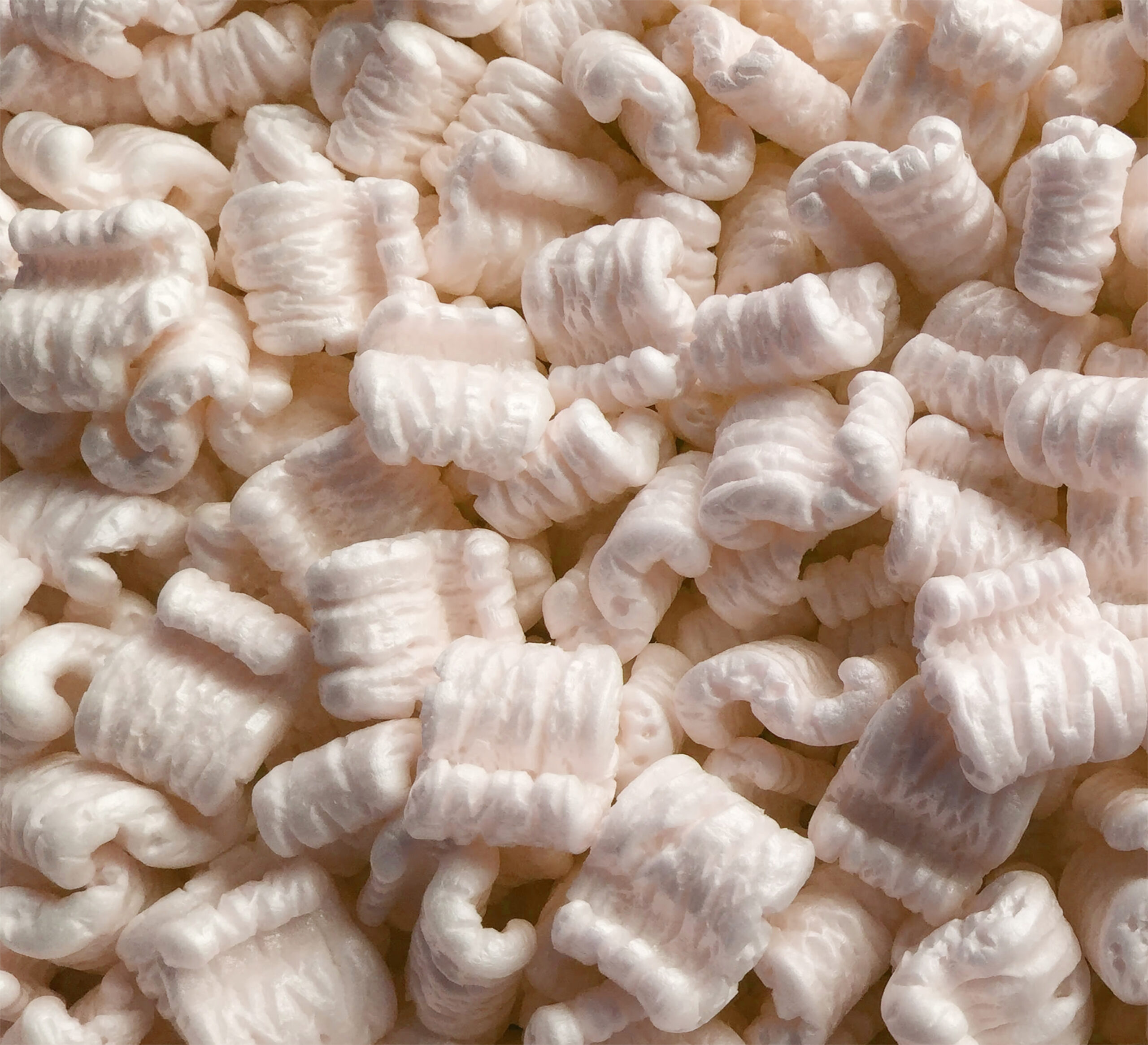
 Transforming Styrofoam Waste Into Sustainable Solutions


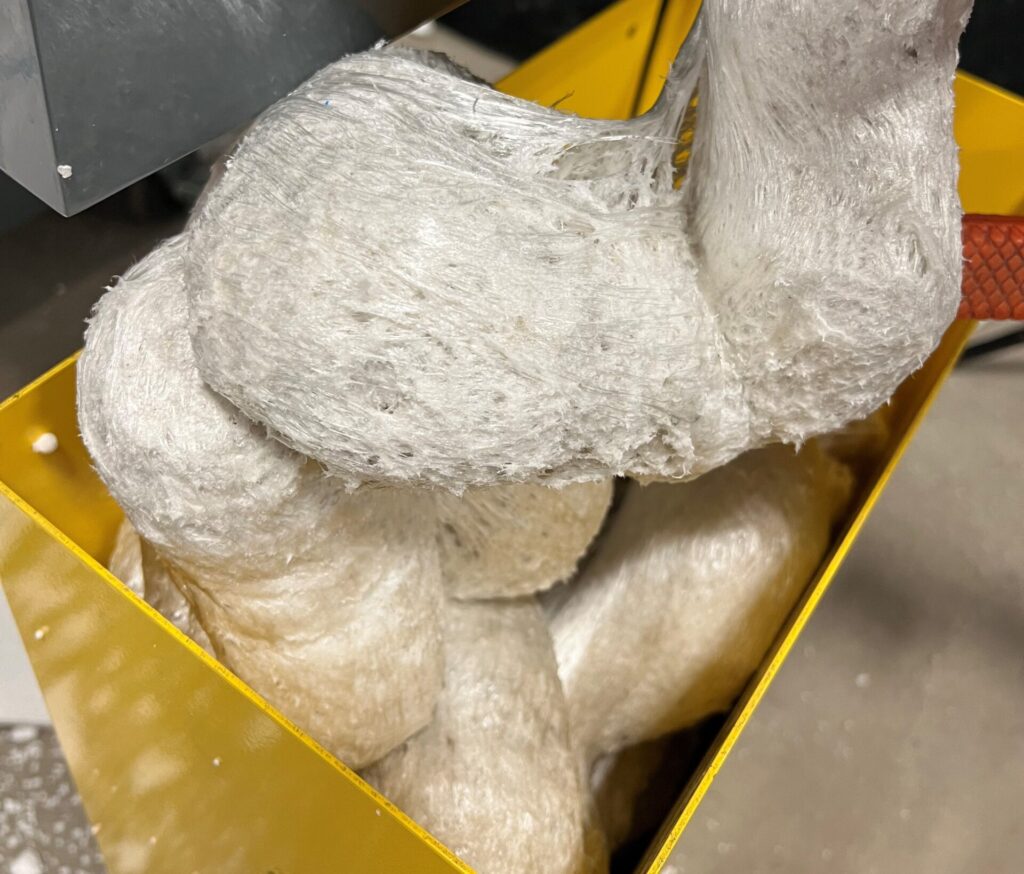
For businesses handling large amounts of foam, disposal costs often have more to do with volume than weight. Packaging foam fills storage areas and waste containers quickly, creating extra handling work and frequent haul-away trips. A foam densifier reduces that bulk, making the material easier to manage.
Thermal densifiers and cold compactors approach this process differently. Both reduce foam volume, but the way they work affects which materials they can process, the condition those materials need to be in, and how much space the finished output occupies. If your facility handles bulk Styrofoam or other packaging foam, understanding these differences helps you choose equipment that fits your operation.
How Thermal Densifiers Work
A thermal densifier uses shredding and heat to turn loose foam into dense material. Foam enters through a hopper, where it is shredded into smaller pieces. An auger moves the shredded material into the heated section, and the machine extrudes it as dense purge.
The purge can be collected in rectangular molds and allowed to cool into solid blocks. These blocks are easier to stack, palletize, store, and transport than the loose foam they came from. They can also be sold as a commodity, creating an opportunity to recover value from material your business currently pays to dispose of.
Thermal densifiers are designed for clean, dry foam and provide a 90:1 volume reduction ratio.
How Cold Compactors Work
Cold compactors reduce foam volume through mechanical pressure without a heated processing stage. Foam is broken down and compressed into dense blocks, reducing the air space within the material.
Cold compaction provides a 60:1 volume reduction ratio and is used for expanded polystyrene, or EPS. It is better suited to EPS that is wet or dirty, where the material’s condition makes it unsuitable for thermal processing. The specific waste stream should still be reviewed when selecting equipment.
| Consideration | Thermal densifier | Cold compactor |
|---|---|---|
| Processing method | Shredding and heat |
Mechanical compression |
| Foam types | EPS, polyethylene, and polypropylene foam |
EPS |
| Material condition | Clean and dry |
Better suited to wet or dirty EPS |
| Volume reduction ratio | 90:1 |
60:1 |
| Finished output | Extruded purge that can be molded into solid blocks |
Mechanically compressed blocks |
Which Foam Types Can You Process
Identifying your foam is an important first step. A facility receiving packaging from several suppliers may handle more than one material, even when the pieces look similar.
Better Densifiers’ thermal machines process EPS, polyethylene foam, and polypropylene foam. Expanded polyethylene and expanded polypropylene are commonly abbreviated as EPE and EPP. Both the PWH-150 and PWH-300 process the same three foam types, so choosing between them comes down to how much foam your operation needs to process.
For an operation handling several compatible foam types, that broader capability can be useful. The machine should be selected around the materials you actually generate, along with their size and daily volume.
Why the Reduction Ratio Matters
A 90:1 reduction ratio means that 90 units of loose foam volume become approximately one unit of densified material. At 60:1, 60 units become approximately one.
For the same starting volume, the difference becomes easier to picture: 90 cubic feet of loose foam would occupy approximately one cubic foot after thermal densification, compared with one and a half cubic feet after cold compaction. That is about one-third less finished volume with thermal processing.
In a facility managing foam every day, that difference can affect how much storage space is needed and how much material fits into an outbound shipment.
Foam Condition and the Value of the Output
Material condition is just as important as foam type. Thermal densifiers require clean, dry foam free of contaminants. Keeping suitable foam separate from general waste helps preserve a usable supply for the machine.
If your EPS is consistently wet or dirty, cold compaction is the more appropriate direction to investigate. If it arrives clean and dry, thermal densification offers greater volume reduction and produces solid purge blocks that can be sold.
For businesses handling foam in volume, this not only reduces the space and hauling required to manage waste, but also creates another source of value. Establishing a buyer for the finished material is part of realizing that opportunity. The return on investment depends on your foam volume, existing disposal costs, operating costs, and sale of the densified output.
Choosing a Thermal Densifier for Your Facility
Once you have confirmed material compatibility, consider processing capacity, foam-piece size, available floor space, and electrical service. Hopper size matters alongside throughput, particularly when your waste includes bulky packaging pieces.
Better Densifiers supplies American-made thermal densifiers, including the PWH-150 and PWH-300. Our machines require three-phase power and are built for your facility’s voltage. On-site training is available, and a nationwide network of technicians provides additional support.
Tell us what foam you handle, whether it is clean and dry, and how much you need to process. Contact Better Densifiers to discuss your needs and request a quote for a system that reduces foam volume and helps your business recover value from its waste.