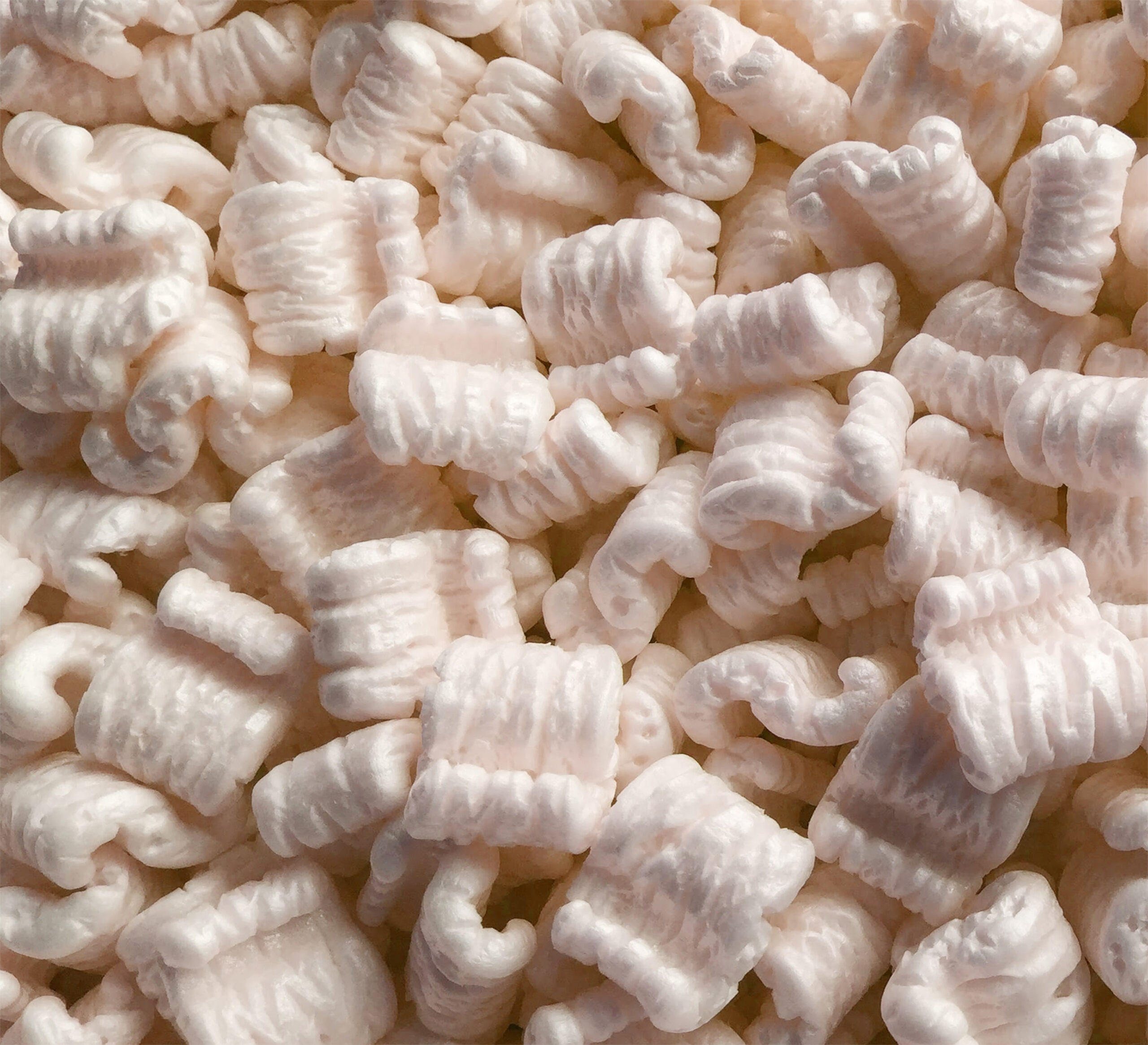
 Transforming Styrofoam Waste Into Sustainable Solutions


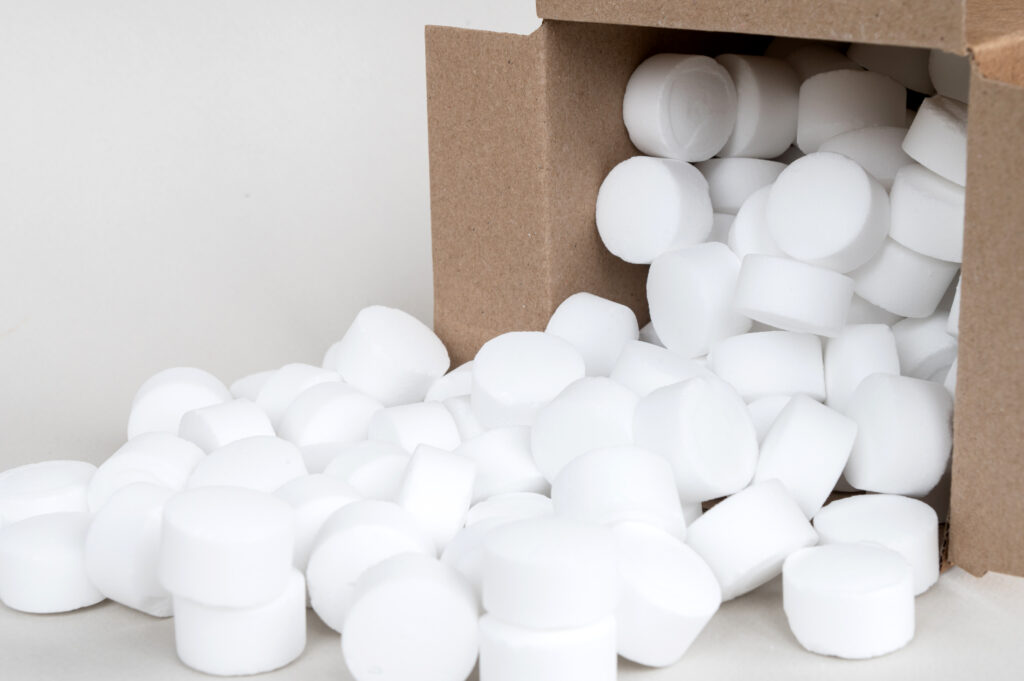
Foam packaging comes in many forms, from rigid corner pieces around appliances to soft wrapping and molded inserts that hold individual parts in place. These types of foam all help protect products during shipping, but the plastic they’re made from matters when it’s time to process the discarded packaging.
If your business is considering thermal densification, knowing which materials you handle is a good place to start. Better Densifiers’ machines process clean, dry expanded polystyrene (EPS), polyethylene (PE), and polypropylene (PP) foam. Below, we’ll look at each material, its common uses, and how to identify the foam coming through your facility.
EPS
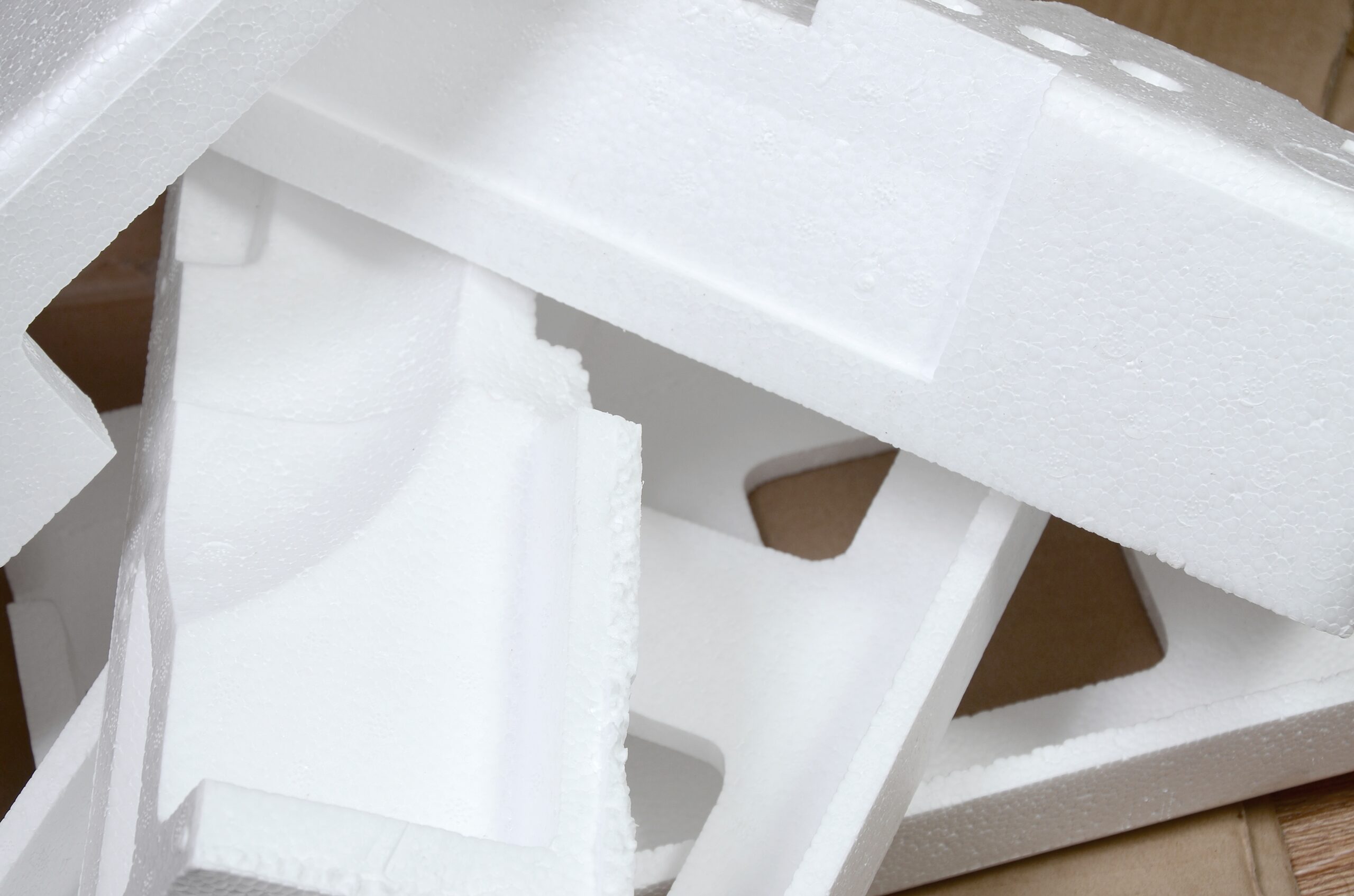
Expanded Polystyrene, widely known as Styrofoam (Dow Chemical’s trademarked EPS foam product) is commonly used for packaging consumer products, to-go restaurant containers, fish boxes, insulation panels, etc.
EPS is a lightweight, rigid plastic foam commonly used for protective corners, molded inserts, insulated containers, and packaging around appliances, furniture, and electronics. Its cushioning and insulating properties help protect products without adding much shipping weight. Packaging manufacturers can mold it into shapes that fit closely around individual products.
Many familiar white packaging pieces are EPS, often recognizable by their fused-bead appearance. After unpacking, those large molded pieces can quickly fill collection bins and storage areas. Their low weight makes them easy to carry, but their bulk creates a handling and transportation challenge.
EPS is often called Styrofoam in everyday conversation. Technically, Styrofoam is a brand of extruded polystyrene, or XPS, insulation. When discussing processing equipment, confirming the actual material is more useful than relying on its familiar name.
EPE
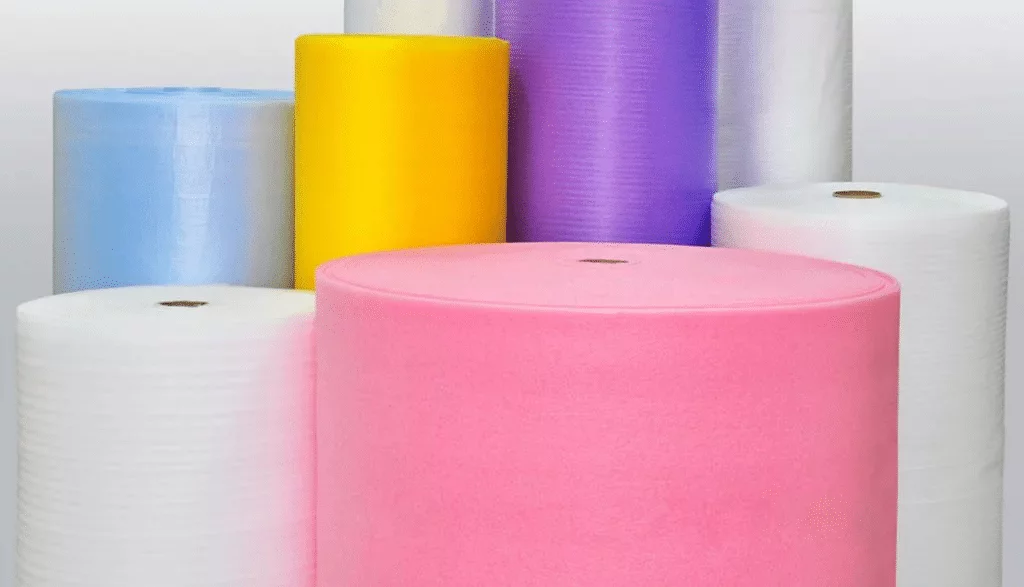
Expanded Polyethylene is commonly used in applications where impact absorption is critical like the packaging of glassware or the manufacture of shin and thigh guards for athletes. It is also used for insulating pipes and heaters and in the manufacture of floatation devices like life vests.
EPE is expanded polyethylene, part of the broader polyethylene (PE) foam family. PE packaging foam comes in sheets, rolls, cushioning planks, and fabricated inserts, giving manufacturers several ways to protect products.
Thin sheets can wrap finished surfaces or separate items inside a carton. Thicker planks can be cut into supports for equipment and fragile components. These foams are often flexible and resilient, providing cushioning and protection against scratches during handling and shipment.
A facility may therefore receive polyethylene foam as both soft wrapping and substantial protective blocks. Those pieces can look quite different while sharing the same underlying polymer. Packaging specifications or supplier information can help confirm the material.
EPP
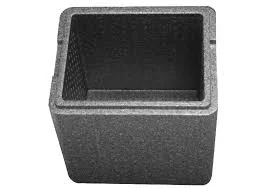
Expanded Polypropylene is used for packaging due to its light weight and strength. It is also heavily used in the automotive industry for things like seating, door panels and head rests. Due to its thermal insulation properties it is commonly found in food delivery containers and coolers.
EPP is expanded polypropylene, a lightweight bead foam valued for impact absorption and its ability to recover its shape after compression. That resilience makes it useful for packaging that needs to protect products through repeated handling or multiple shipping cycles.
Common applications include reusable transport trays, custom inserts for automotive components, protective packaging for electronics, and insulated containers. A molded tray may hold several individual parts in position, helping prevent movement and contact during transport.
Like EPS, molded EPP can have a visible bead structure. It is also available in black, gray, white, and other colors, so neither texture nor color provides a definitive identification. A dark protective insert may be EPP, but supplier documentation offers a more reliable answer.
How to Identify the Foam Your Business Handles
Start with packaging specifications, supplier information, or material markings on the foam. These can identify the polymer more reliably than comparing colors or deciding whether a piece feels firm or soft.
Look at the entire piece, including anything attached to it. Foam bonded to cardboard, film, foil, or another material needs to be discussed when evaluating a processing system. Material condition matters too: thermal densifiers require clean, dry foam.
If your facility receives several types of foam, gather representative examples of each. Photos, approximate dimensions, and an estimate of your daily or weekly volume give Better Densifiers a useful starting point for discussing equipment fit.
Matching Your Foam to a Thermal Densifier
Both the PWH-150 and PWH-300 process EPS, polyethylene, and polypropylene foam. Your material options are the same with either model; the choice depends on how much foam you process, the size of the pieces, and your facility’s requirements.
Our American-made thermal densifiers shred and heat the foam, providing a 90:1 volume reduction ratio. The dense extruded material, called purge, can be formed into blocks and sold as a commodity. Reducing the space occupied by discarded packaging makes collection, storage, and transportation more manageable.
Read our Densifying 101 guide for a closer look at the process, or contact Better Densifiers to discuss your foam and request an equipment quote.